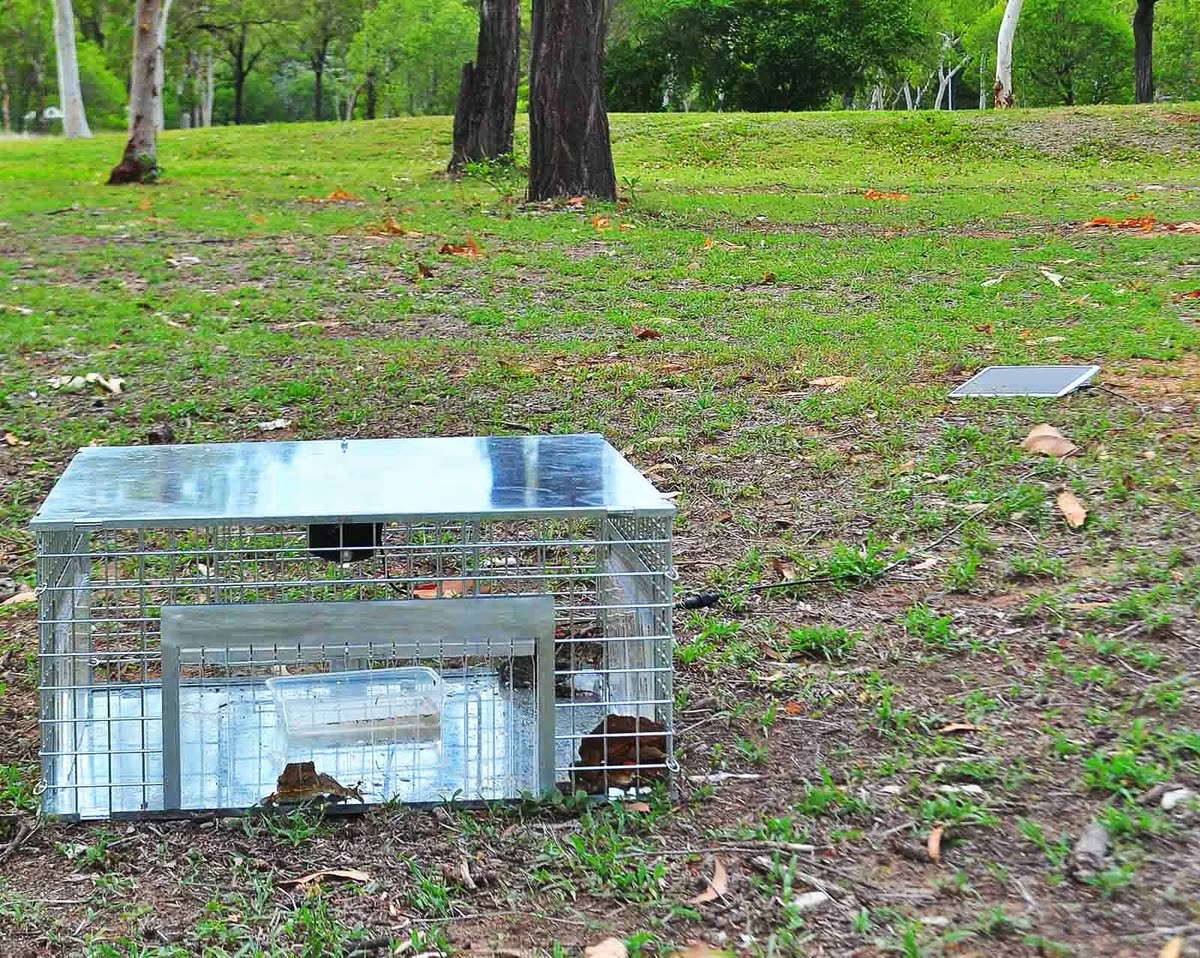
Light-lured adult cage traps
Best for yards and rural sheds with moderate to heavy adult traffic. Pair a solar UV lamp with one-way finger doors and inspect every dawn so native frogs are released unharmed.
Yellow Water Billabong, Kakadu · Photo: Reesa sc (CC BY-SA 4.0)
Field-tested trapping, yard exclusion, and species identification guides split cleanly for Australia and the United States.
Stationary baited cages rarely catch toads because amphibians hunt moving insects. Select your region, setting, and pet needs to get an evidence-backed plan.
Where are you located?
Primary problem area
Dogs or outdoor pets?
Combine a 60 cm perimeter exclusion barrier with wet-season night collection using a wide-beam headlamp and grabber tongs, then add a light-lured trap near exterior insect zones.
Effective control targets how toads hunt, breed, and move at night. Compare the four proven field systems before buying hardware.
Best for yards and rural sheds with moderate to heavy adult traffic. Pair a solar UV lamp with one-way finger doors and inspect every dawn so native frogs are released unharmed.
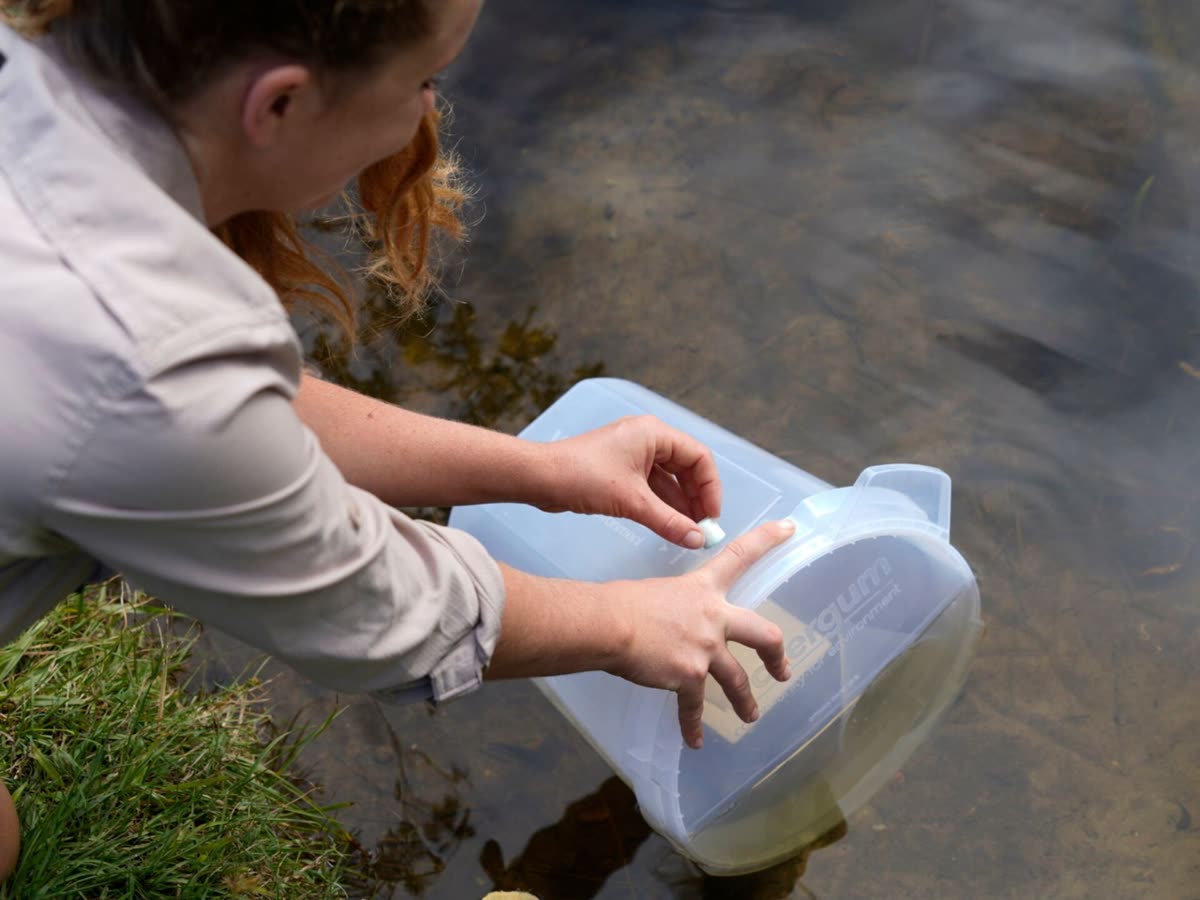
Highest impact per hour when you have a dam or pond. In Australia, UQ egg-pheromone lures exploit cane toad cannibalism while native frog tadpoles ignore the scent.
Build an overnight adult trap from a deep smooth-walled bucket, gentle timber ramps, and a hanging solar UV lamp. Combine with 60 cm (24 in) buried exclusion mesh for permanent dog safety.
| Method | Primary target | Native wildlife risk | Best use case |
|---|---|---|---|
| Light-lured adult trap | Adult cane toads | Low if inspected every sunrise | Overnight reduction around patios, sheds, and water troughs |
| Pheromone tadpole funnel | Cane toad tadpoles | Very low (species-specific lure in AU) | Dams, backyard ponds, and slow drainage swales after rain |
| Manual night sweep | Adults and sub-adults | Zero with visual species ID | Fastest yard clearing 1 to 2 hours after sunset with gloves and headlamp |
| 60 cm / 24 in barrier fence | Adults and juveniles | Zero (physical exclusion only) | Permanent pet safety around suburban yards and dog runs |
| Dry baited mammal cage | Not recommended | High bycatch of mammals and reptiles | Ineffective for amphibians because toads ignore stationary dead bait |
Species regulations, approved humane methods, measurements, and local retailers differ sharply between continents. Picking your region prevents wasted money and accidental harm to protected native wildlife.
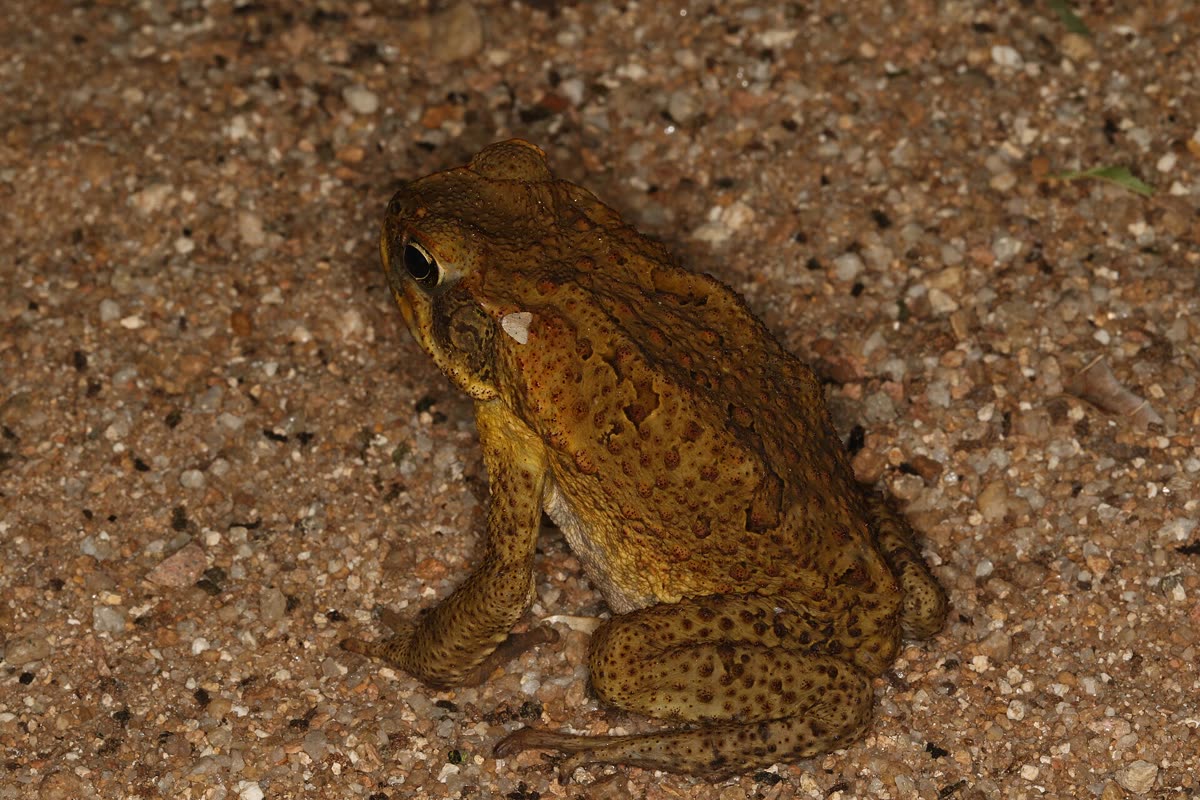
Across Queensland, the Northern Territory, northern New South Wales, and Western Australia, cane toads threaten native quolls, goannas, and family dogs. Explore field reviews of the Toadinator and Watergum tadpole traps, Australian frog lookalikes, and RSPCA humane protocols.
Enter Australia guides
In South and Central Florida and Hawaii, invasive cane (Bufo) toads cannot legally be relocated and pose severe risk to pets. Elsewhere in the US, native Southern and American toads are beneficial pest eaters that should be excluded peacefully.
Enter United States guidesMistaking a native Australian burrowing frog or a native Florida Southern toad for an invasive cane toad harms local ecosystems and can violate wildlife protection laws. Use our trait-by-trait interactive identifier to verify parotoid glands, eye ridges, and skin texture in under 30 seconds.